
Credit: Deborah Pead, NZ Herald – 29 March 2026
My husband reckons farmers are the most courageous gamblers on the planet. And he’s not talking about the TAB.
Farmers bet on the weather, on planting decisions, on livestock timing, on fluctuating meat schedules, on the genetics of a new bull. Some of these gambles are long-odds wagers, placed years in advance, with no guarantee of a return. They are, quite literally, investing in outcomes they cannot fully control.
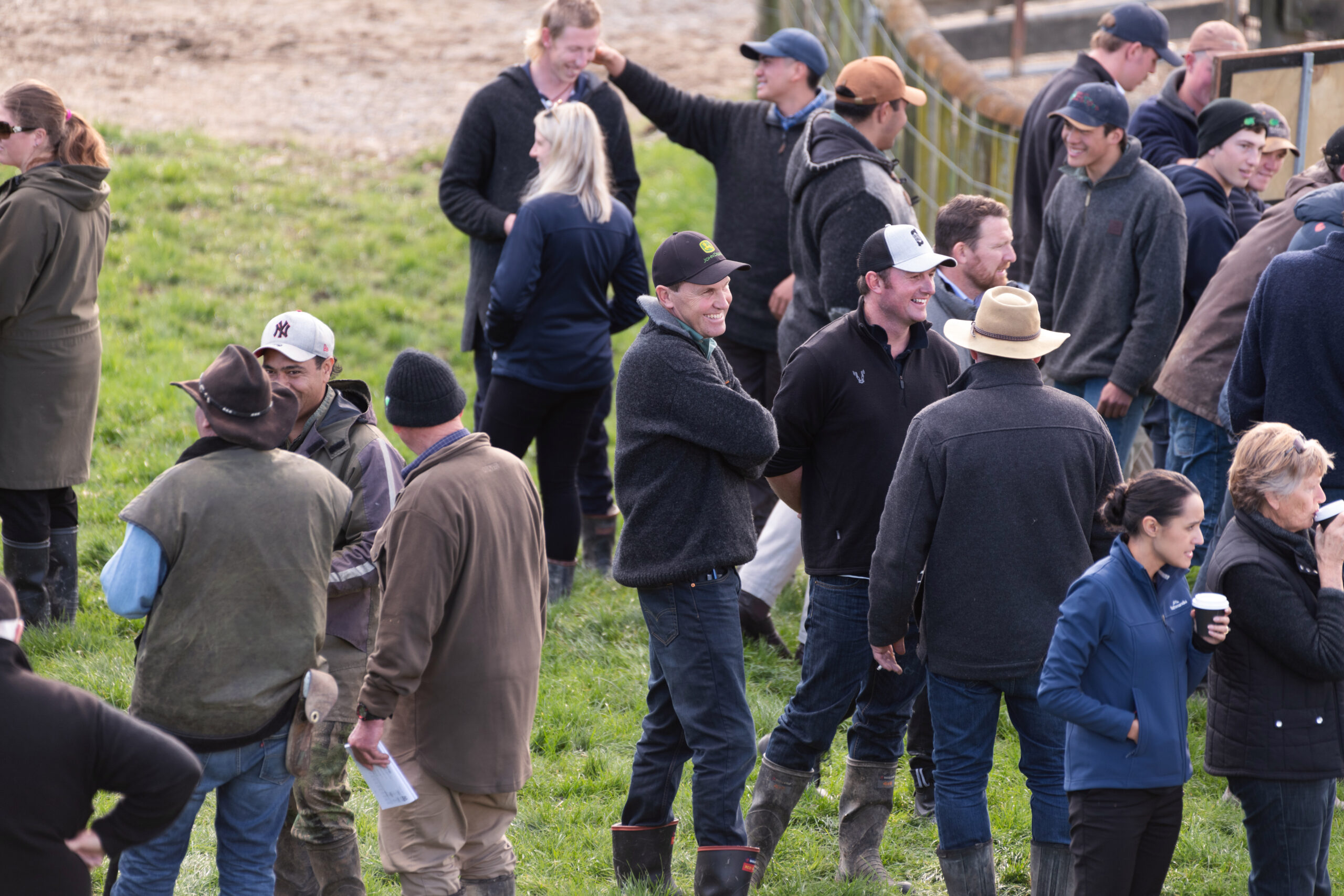
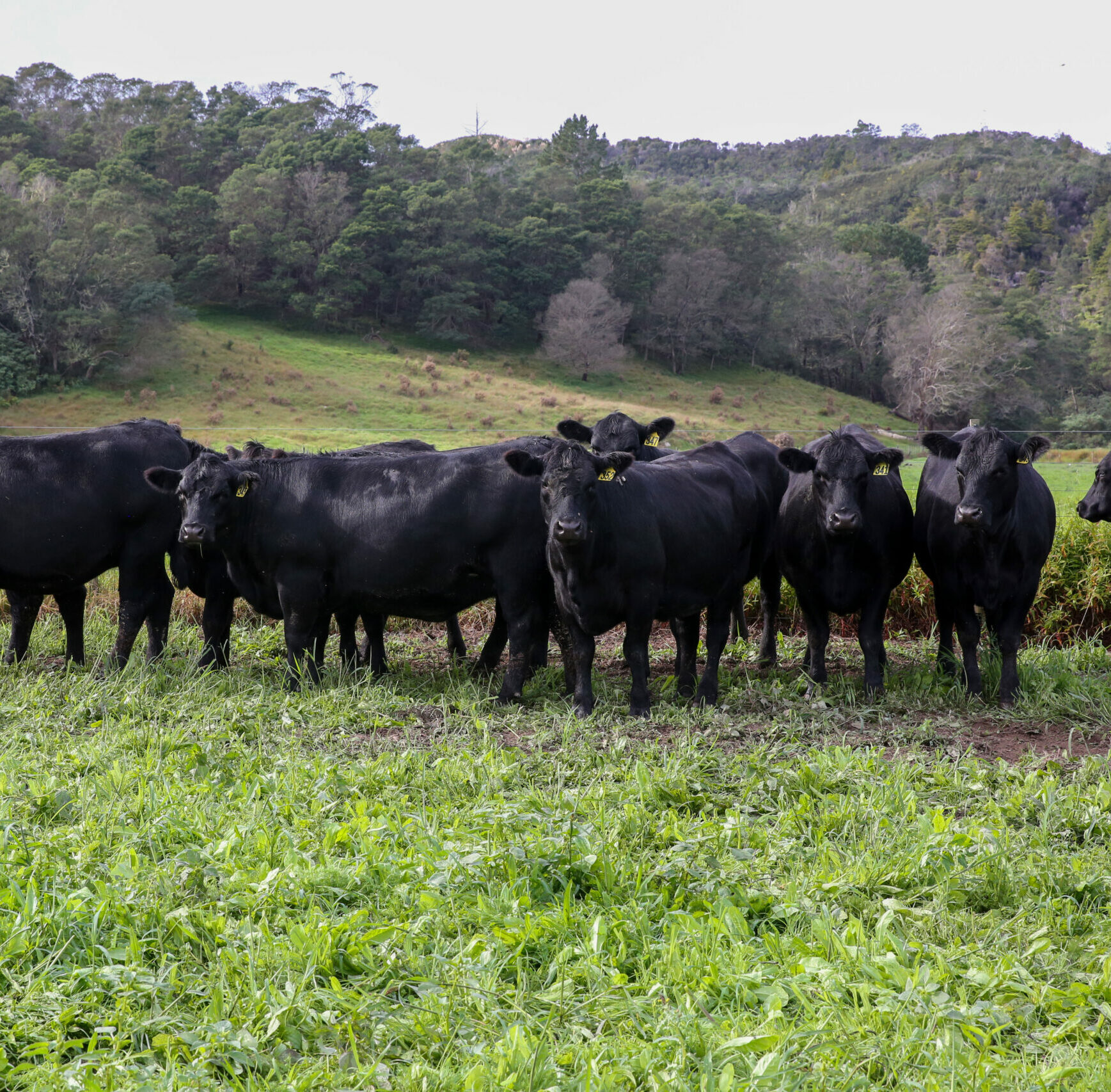
Having just spent time in Northland with a group of Angus breeders touring stud farms, you could be forgiven for thinking that farmers’ luck is running hot. The numbers certainly suggest momentum. Data from Xero shows agriculture has been one of New Zealand’s strongest performing sectors over the past 15 months. Sales are up. Jobs are up. Wages are growing ahead of the national average.
So, from the outside, it looks like a good run. But stand in a paddock for five minutes and you realise this is not luck. It is precision.
What I saw was a quiet convergence of science, discipline, and deep respect for the land. This is not farming as many townies imagine it, all gumboots and “she’ll be right” guesswork. It is data, genetics and highly intentional decision-making layered over generations of Instinct.
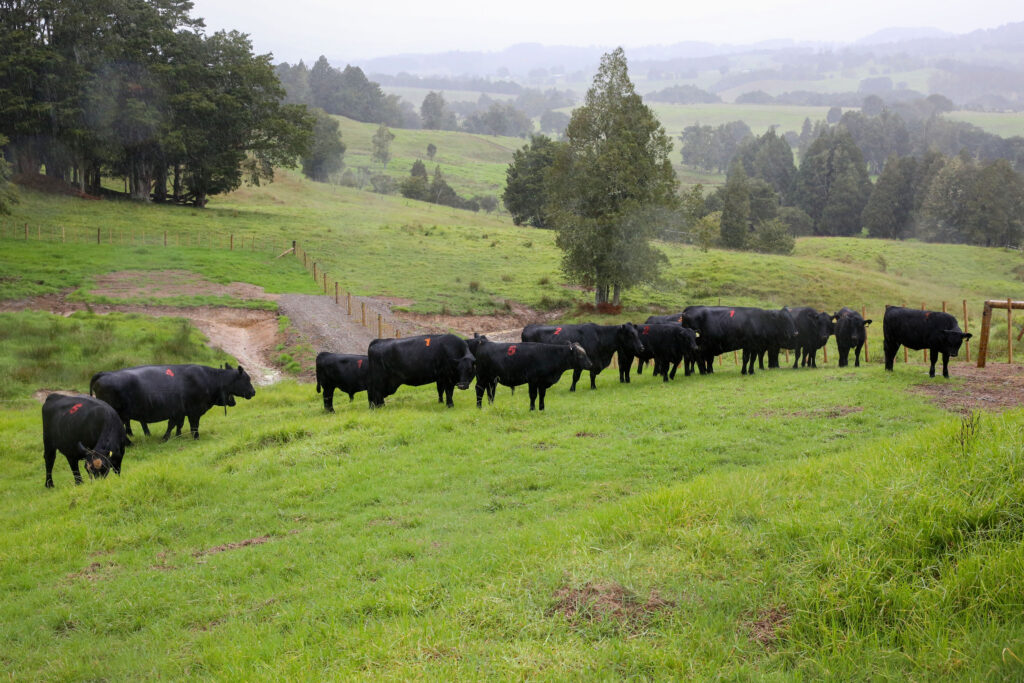
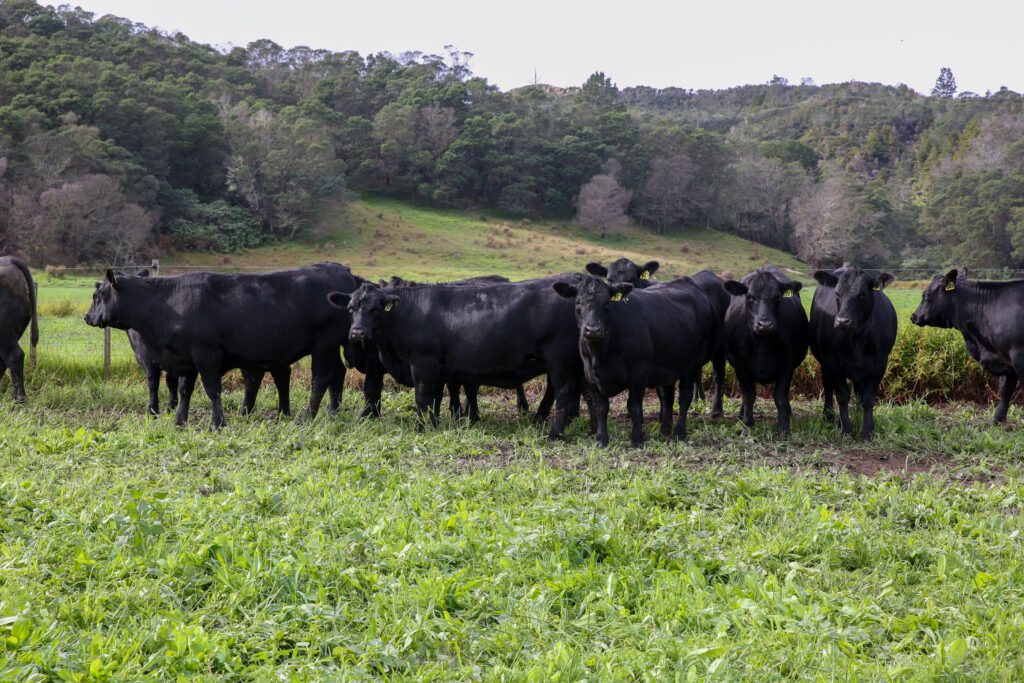
New Zealand’s premium grass-fed Angus beef does not happen by accident. It comes from a system where animal welfare is not a marketing line, it is a baseline. Antibiotic-free, grass-fed, low-stress farming is not a premium add-on. It is simply how things are done.
And increasingly, it is underpinned by world-class science.
Through advanced genetic evaluation systems, farmers can now access data drawn from millions of animals across dozens of countries. That means breeding decisions are no longer based on “the best-looking bull in the valley.” They are based on predicted outcomes like weight, fertility, temperament, efficiency.
In any other industry, we would call this high-performance optimisation. On the farm, it is simply called doing a better job.
Farmers now speak in a language of EBVs, RBVs and breeding indexes with the ease most of us reserve for our kids’ birthdays, only these ones they never forget.
Then there is the technology. Companies like Gallagher are turning paddocks into data Ecosystems.
With wearable tools like eShepherd, farmers can guide cattle movement without physical fences, managing grazing with a level of precision that would have seemed improbable a decade ago. One farmer put it more simply: “It teaches them where to bloody well stop.”
Add in mobile auto-weighing systems, and farmers can track performance in real time. Which animals are thriving, which pastures are delivering and where adjustments need to be made. If that sounds more like a high-tech logistics operation than a traditional farm, that’s because it is.
And yet, it remains grounded in something far more human. Care for the land. Pride in the herd. Stewardship that’s passed from one generation to the next.
So yes, we are lucky. Lucky to have world-class agritech companies backing our farmers.
Lucky to have farmers who are curious enough, and commercially sharp enough, to adopt these tools. Lucky enough to have inter-generational farming families who wear their badge with pride.
But luck is not the story here. The real crux is what sits behind it is. We are world-class at producing premium beef and yet remarkably understated at talking about it. We behave as if the product will speak for itself. And while this may work in our patriotic domestic market in a noisy global market, humility does not pass muster.
And while there is something admirable in the Kiwi way of producing some of the cleanest, most ethical beef in the world and talking about it as if it’s nothing particularly special, there is also a risk that we remain invisible.
And if we do not tell our story, others will tell theirs louder and often with fewer standards behind them. We will hear of highly processed foods and synthetic proteins backed by billion-dollar marketing budgets and confident narratives.
Meanwhile, New Zealand sits in an interesting position globally. We are deeply embedded in supply chains and trusted for quality, but we are better known for being reliable than being Remarkable.
We are trusted at a systems level but underperforming at a brand level. We are in the supply chain when we should be the main character in the story.
And that is where the next layer of value sits.
Because while New Zealand will never compete on volume, we can outperform on integrity, ethics, quality, and story. And that story needs to be told with the same discipline we apply to breeding, land management, and production.
Even our best operators, like Silver Fern Farms, have built world-class systems and global reach. But like much of the sector, their voice still travels strongest through the supply chain, not always through to the consumer.
And in a world where consumers are making values-based decisions about what they eat, that is the gap we need to close. We have the product, we have the standards and we need now is the voice. And this is not a game of chance.
New Zealand wine has already shown us the playbook. World-class product, backed by world-class storytelling.
Our farmers have already done the hard yards of stacking the odds, through science, care, and relentless improvement. Now it is time to play the hand properly and make sure the world knows exactly what it is being dealt.
Deborah Pead is one of New Zealand’s most experienced PR strategists and practitioners. She is the founder and chair of Pead and a director of the family owned Danbri Farm.